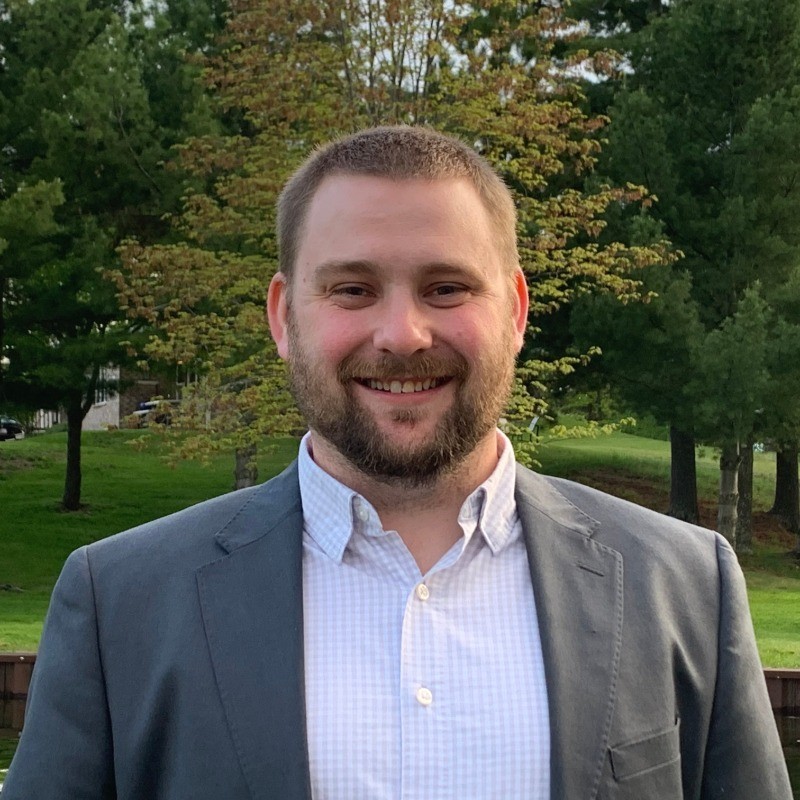
Alex Henkel
Alex Henkel is the Shared Resources Manager at the University of Wisconsin Carbone Cancer Center, where he oversees the strategic and operational direction of 17 shared resource facilities. He began his career as a hands-on scientist in the UW Flow Cytometry Laboratory, where he assisted researchers with panel design, instrument training, and data analysis across 6 flow cytometry platforms and 9 software packages — and helped drive a 47% increase in core revenue through data-informed resource planning.
Alex brings a rare combination of scientific depth and business acumen to cytometry core management. His Core Management Workshop draws on direct experience running a high-throughput shared resource — from setting user rates and evaluating capital purchases to building training programs and navigating the day-to-day challenges of managing a scientific service operation. He serves on the Board of Cytometry Educational Associates, Inc. (CEAI).
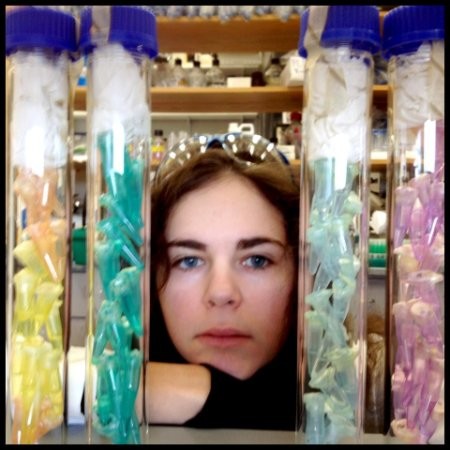
Anna Belkina, M.D., Ph.D.
Anna Belkina is an Assistant Professor of Pathology and Laboratory Medicine and Director of the Flow Cytometry Core Facility at Boston University. She received her M.D. from Russian State Medical University and her Ph.D. in Molecular Medicine from Boston University School of Medicine, where her doctoral work focused on epigenetic regulation of inflammatory responses.
Dr. Belkina is an internationally recognized expert in spectral flow cytometry and high-dimensional single-cell analysis. She is the developer of the opt-SNE algorithm, now widely used for visualization of multidimensional cytometry datasets, and has authored over 40 peer-reviewed publications. She is an active member of ISAC and a frequent speaker at CYTO.
The BU Flow Cytometry Core Facility operates two Cytek Aurora 5-laser spectral analyzers and a BD FACSDiscover S8 — a 5-laser, 78-channel spectral cell sorter with integrated imaging capability, acquired through NIH S10 award OD038346 with Dr. Belkina as principal investigator.

Rea Dabelic, Ph.D.
Rea Dabelic is a Senior Staff Product Manager at Illumina and an experienced scientist with over 15 years of expertise in flow cytometry, immunology, cell sorting, and single-cell genomics. Her career includes scientific and commercial leadership roles at BioLegend, Immudex, NanoCellect Biomedical, and Illumina, where she has helped researchers implement cutting-edge technologies for immune profiling, cell isolation, and cellular analysis.
Dr. Dabelic holds a Ph.D. in Microbiology and Immunology from the University of Florida and is passionate about teaching scientists how to apply flow cytometry and single-cell approaches to solve complex biological questions.
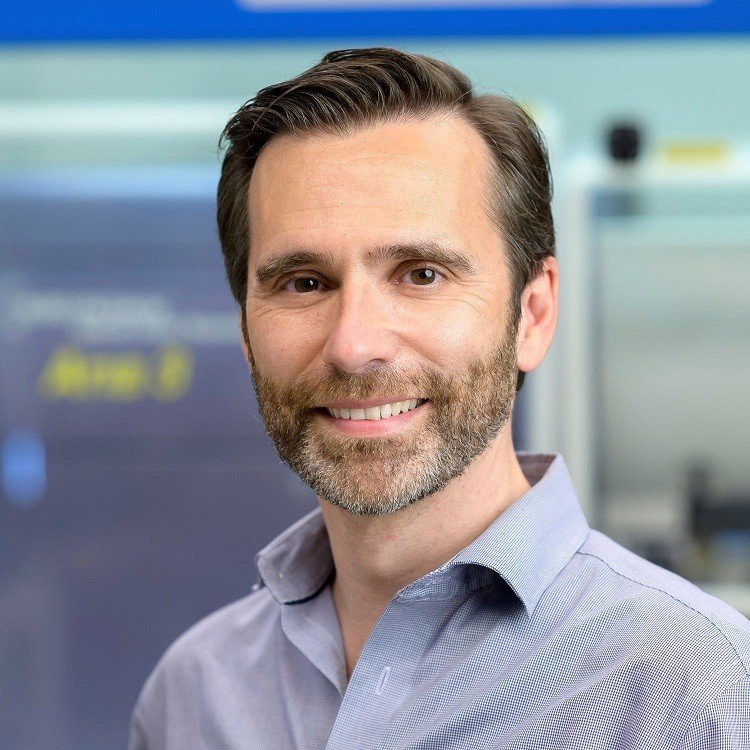
Rui Gardner, Ph.D.
Rui Gardner earned his Ph.D. in Biomedical Sciences in 2004, with doctoral research focused on mathematical modeling of biological mechanisms. He is Head of the Flow Cytometry Core Facility at Memorial Sloan Kettering Cancer Center, one of the world's premier cancer research institutions.
An internationally recognized expert in high-speed cell sorting, Dr. Gardner has lectured and taught hands-on workshops across Europe and North America. He is a regular speaker at CYTO and other major cytometry meetings, with a particular focus on best practices for high-purity sorting in BSL-2 and BSL-3 environments.
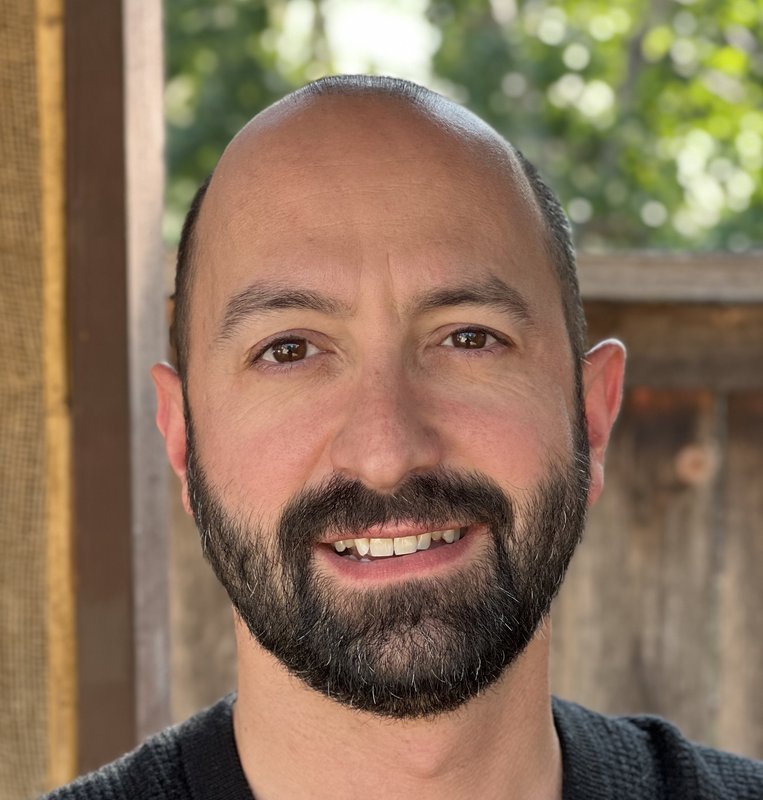
Michael Gregory, M.S., SCYM(ASCP)CM
Michael Gregory is Director of the Flow Cytometry and Cell Sorting Facility at the California Institute of Technology, bringing more than 20 years of experience in shared resource laboratory management. His career has spanned infectious disease and T-cell immunology research, therapeutic antibody characterization at a cancer biotech, core facility operations at NYU, and specialized biosafety and cell sorting work at Cleveland Clinic Florida.
Michael is board certified as a Specialist in Cytometry by the American Society for Clinical Pathology (SCYM(ASCP)CM) and is an active member of ISAC, where his work on biosafety principles for flow cytometry and cell sorting is widely referenced by the field.
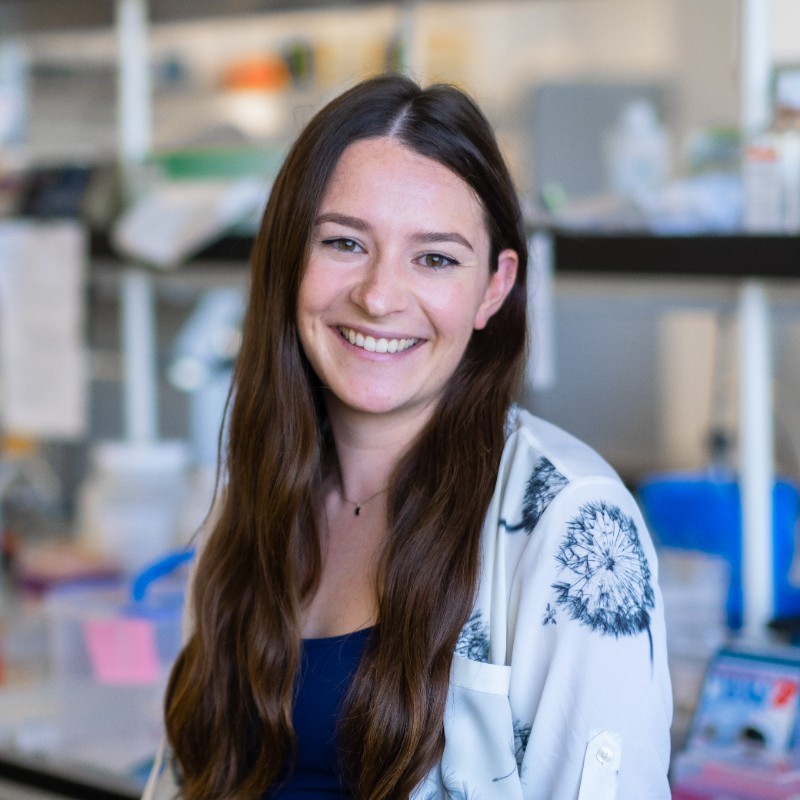
Hannah Hetrick
Hannah Hetrick is Lab Manager in the Bradley Lab at Sanford Burnham Prebys Medical Discovery Institute in San Diego, where she has spent over eight years supporting research in tumor immunology and cancer biology. She began her career at SBP as a Research Assistant, progressing to Lab Manager in 2022 after developing deep expertise in the day-to-day execution of complex immunology experiments.
Her work centers on dissecting CD8 T cell exhaustion and checkpoint biology in solid tumors — research that demands rigorous single-cell preparation from challenging tissue sources. Hannah brings practical, hard-won expertise in optimizing dissociation protocols, maintaining cell viability, and controlling pre-analytical variables that make or break downstream flow cytometry data quality.
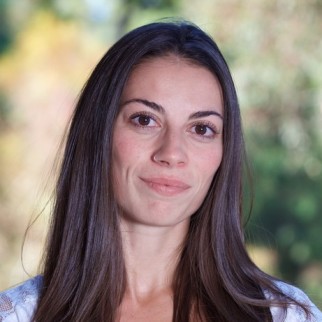
Lorena Hidalgo, Ph.D.
Lorena Hidalgo earned her Ph.D. in Biomedical Engineering from Cardiff University, United Kingdom. She completed her postdoctoral training in the Signer Lab at UC San Diego, where she studied the role of proteostasis in hematopoietic stem cells.
She is currently a Senior Scientist II in Scientific Applications at Waters Biosciences, where she generates customer-facing data to support product launches, collaborations, and educational programs. Her expertise includes high-parameter spectral flow cytometry, panel design, and imaging flow cytometry.
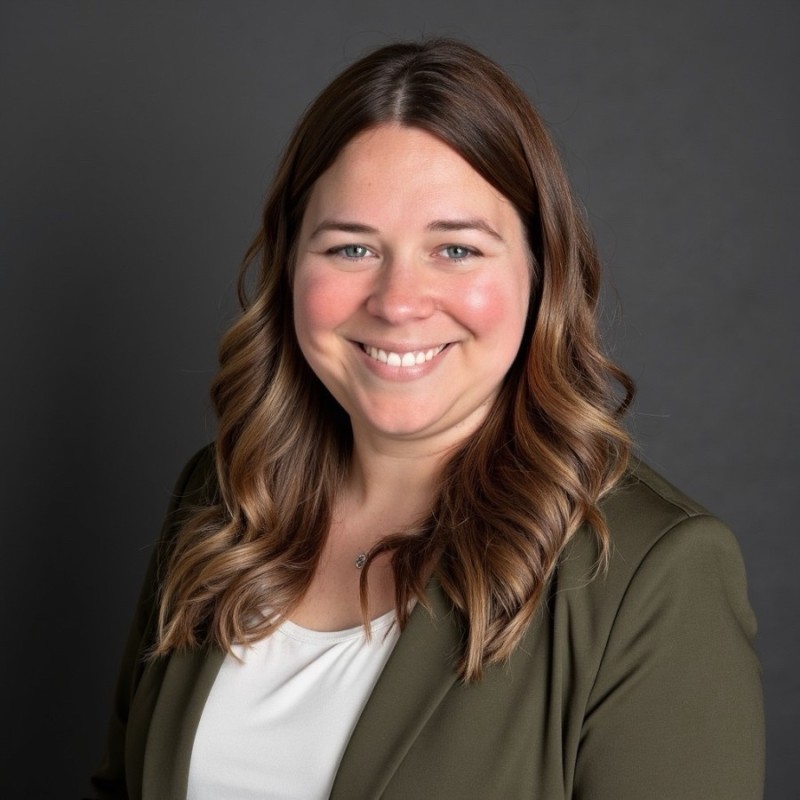
Jennifer Hope, Ph.D.
Jennifer Hope is an Assistant Professor in the Department of Microbiology & Immunology and Co-Director of the Flow Cytometry Core Facility at Drexel University College of Medicine. She received her B.S. in Biology from Ursinus College and her Ph.D. in Microbiology and Immunology from Drexel University College of Medicine in 2017, followed by a postdoctoral fellowship in cancer immunology at Sanford Burnham Prebys Medical Discovery Institute.
Her research lab studies the cellular and molecular mechanisms involved in T cell exhaustion in cancer, using high-parameter multicolor flow cytometry to investigate immune responses to tumors and chronic infections. Dr. Hope serves on the Board of Cytometry Educational Associates, Inc. (CEAI) and is committed to broadening cytometry education.
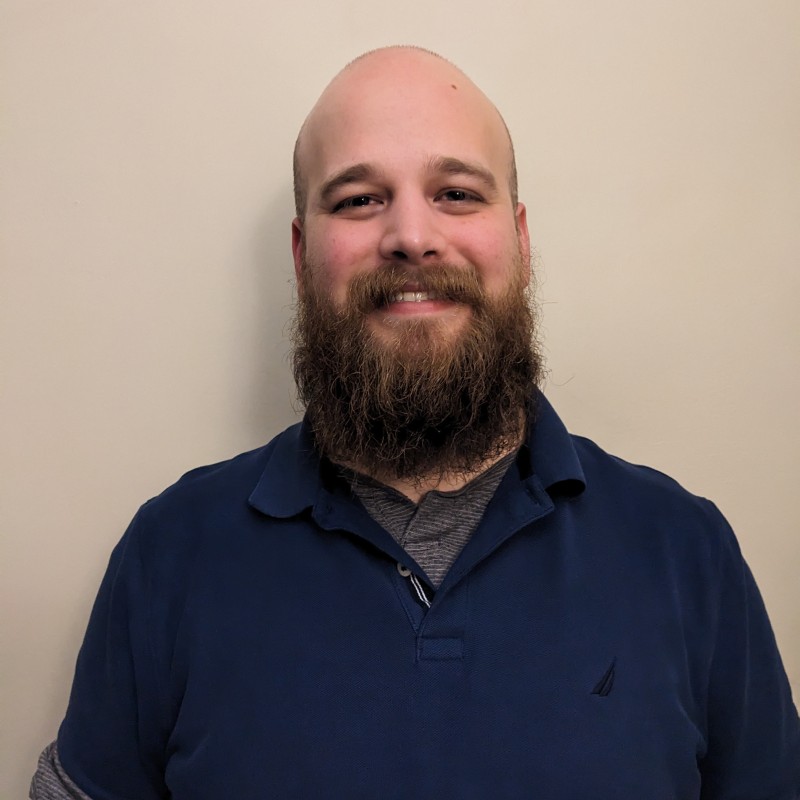
Bert Ladd
Bert Ladd is the Manager of the Flow Cytometry Core at Loyola University Chicago, where he oversees all operational and strategic aspects of the facility. With experience supporting a wide range of applications, he brings a 'try-anything-once' philosophy to novel uses of flow cytometry. He serves on the Board of Directors for GLIIFCA.
Bert prioritizes student education with a particular interest in breaking down technical concepts into intuitive and actionable understanding. He advocates for an 'under the hood' understanding of cytometry instrumentation as the foundation of better troubleshooting and optimized experiments.
David Leclerc
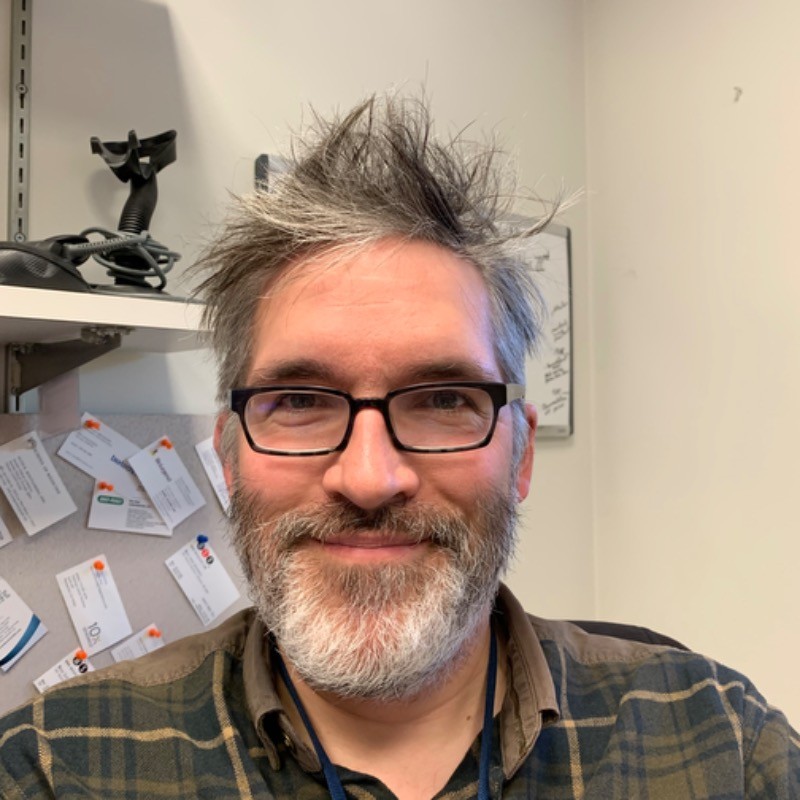
David Leclerc is Technical Director of the Cytometry and Antibody Technology (CAT) facility at the University of Chicago, one of the most highly utilized cytometry cores in the Midwest. He is President of GLIIFCA (Great Lakes International Imaging and Flow Cytometry Association) and a founding organizer of ChUG, the Chicago User Group in Cytometry.
With deep expertise in instrument quality control, daily performance tracking, and systematic troubleshooting, David brings a practical, operator-focused perspective to cytometry education. His CAT facility supports a wide range of research applications across the University of Chicago and affiliated institutions.
Kelly Lundsten
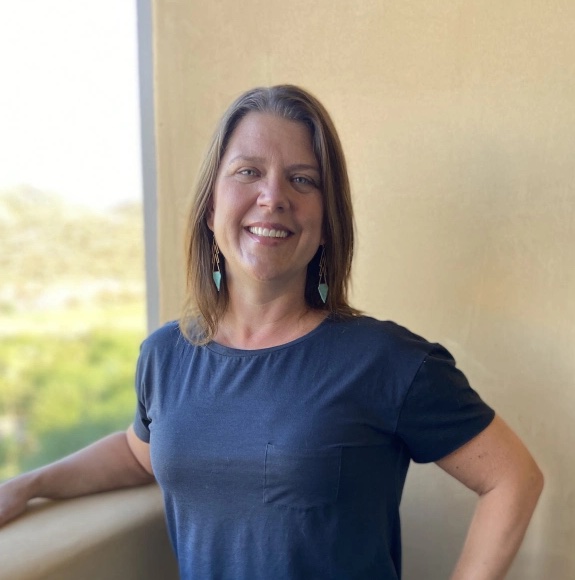
Kelly Lundsten brings nearly two decades of biotechnology experience specializing in fluorescence-based bioassays and emerging flow cytometry technologies. As an independent consultant, she works with research institutions, reagent manufacturers, and biotechnology companies on fluorochrome development, multiparameter assay design, and cytometry education initiatives. She serves on the Board of Directors of SOULCAP.
Kelly is widely regarded in the cytometry community for her ability to make complex dye chemistry accessible and practical. She is an invited instructor at multiple national cytometry courses and is known for her engaging presentations on fluorophore selection, spectral properties, and multicolor panel construction.
Sean Maynard, M.S.
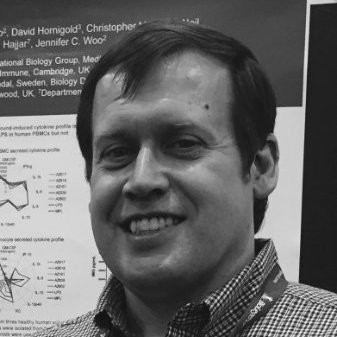
Sean Maynard is a Science and Technology Advisor at Partillion Bioscience, where he supports adoption of Nanovial technology for functional single-cell and cell–cell interaction assays. A customer-facing scientist with extensive field-applications experience, he has spent his career helping researchers bring new cytometry and cell-analysis platforms into the lab.
Before Partillion, Sean held field-applications roles at NanoCellect Biomedical and Thermo Fisher Scientific, and worked as a research scientist at AstraZeneca and MedImmune's Vaccine Platform Group. He holds an M.S. in Biotechnology from Johns Hopkins University and a B.A. in Biology from West Virginia University.
Mark Naivar, M.S.
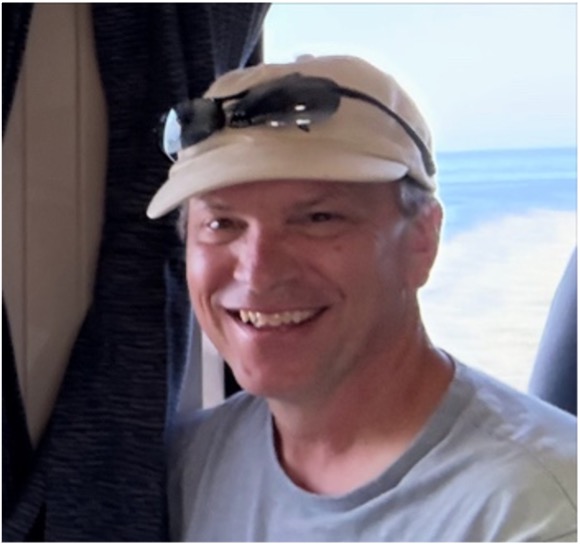
Mark was first introduced to flow cytometry while completing his undergraduate degree in Electrical Engineering from New Mexico State University. He enjoyed it so much that he delayed his graduation so he could work full time as an undergraduate student at Los Alamos National Laboratory as part of the National Flow Cytometry Resource. He stayed at Los Alamos after graduation and helped develop one of the first fully digital data acquisition systems for flow cytometry, which convinced him to pursue his Master of Science degree in Electrical/Computer Engineering from the University of Texas at Austin. He returned to Los Alamos with his new degree to continue developing embedded systems for flow cytometry as well as dabbling in computer graphics on the side.
Mark eventually started his own company to provide consulting and contracting support, focusing on flow cytometry instrumentation, data acquisition and data analysis for research groups and small startups. His small team helped create systems for a variety of companies and research teams, including a small company in Santa Barbara, California called Owl Biomedical. Their cell sorter used a MEMs device for the flow cell which had a magnetically actuated mechanical valve to sort cells. This instrument was so interesting and unique that Mark joined their team after Owl was acquired by Miltenyi Biotec. He helped push the MACSQuant Tyto cell sorter from niche clinical instrument into the mainstream and was a major contributor to the recently released Tyto Lux instrument.
Mark left Miltenyi in 2025 and has been attempting to transition into retirement ever since. This new endeavor is not going well so far.
"Education: That which reveals to the wise, and conceals from the stupid, the vast limits of their knowledge." — Mark Twain
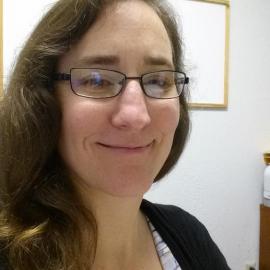
Lisa Nichols, PhD
Lisa Nichols is Director of the Stanford Shared FACS Facility, one of the most active and technically sophisticated flow cytometry cores in the country. She has extensive experience supporting researchers across a wide spectrum of applications, from basic immunophenotyping to cutting-edge 40+ color spectral panels.
Lisa is a recognized expert in experimental design and panel construction for complex multicolor experiments. Her contributions to published OMIPs (Optimized Multicolor Immunofluorescence Panels) reflect her methodological rigor and commitment to reproducibility in cytometry research.
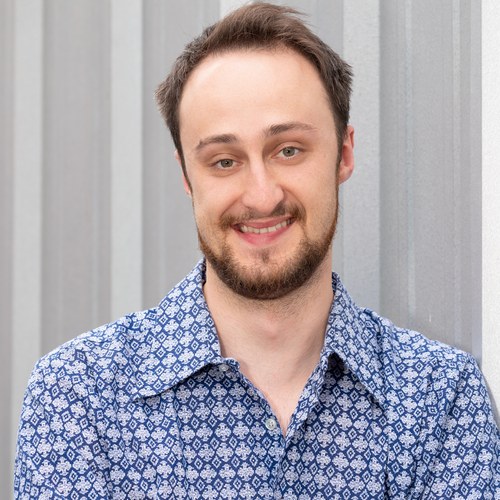
Alexander Nicols, Ph.D.
Alexander Nicols is a postdoctoral researcher in the Pediatric Immunization Advancement Lab at UC San Diego, with expertise in high-parameter cytometry and T cell immunology. He received his Ph.D. from Newcastle University Medical School and Great North Children's Hospital in Newcastle upon Tyne, United Kingdom, in 2023. In the UK he led a five-year clinical study of stem cell transplantation using a 45-parameter mass cytometry panel to profile peripheral lymphocyte reconstitution and post-transplant viraemia. He was instrumental in developing spectral flow cytometry T cell assays of SARS-CoV-2 vaccine immunogenicity during the pandemic and has published highly cited work on T cell immunity to SARS-CoV-2.
His current research interests include age-dependent differences in immune responses to vaccines, infant and neonatal T-cell development, and novel interventions to improve stem cell transplantation.
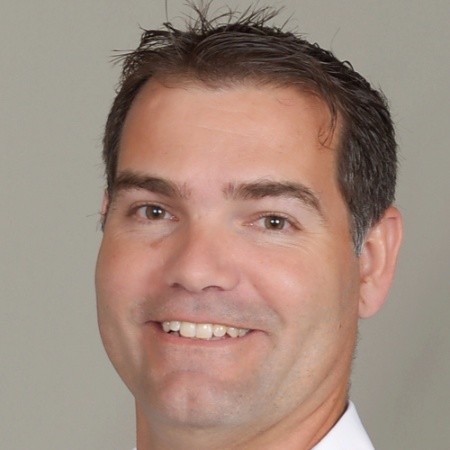
Jack Panopoulos, Ph.D.
Jack Panopoulos is a long-time application scientist in flow cytometry with 13+ years of experience translating complex single-cell analysis technologies into practical, customer-focused solutions. He brings deep expertise in high-dimensional flow cytometry, AI-driven data analysis, immunology, and the commercialization of cutting-edge biotech tools.
As an instructor for high-dimensional workflows and artificial intelligence applications in flow cytometry, Jack combines technical mastery with a proven ability to distill complex concepts for diverse audiences — from bench scientists to executives — enabling participants to leverage advanced analysis techniques for their research and diagnostics. When not giving tutorials, he can sometimes be found testing wave theory at La Jolla shores.
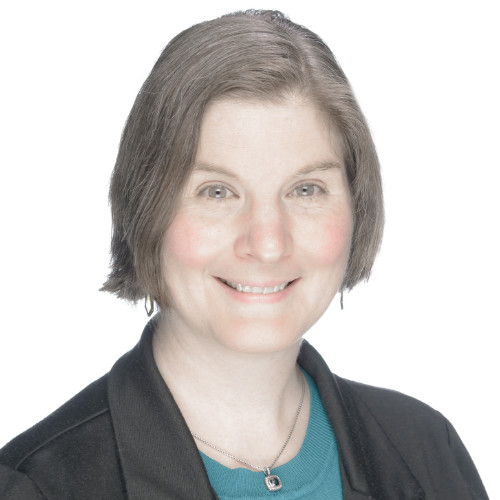
Laura Prickett
Laura Prickett is Associate Principal Scientist, Flow Cytometry at AstraZeneca in Waltham, Massachusetts, where she has spent over a decade supporting flow cytometry across the full pipeline from experimental design through data analysis. Her career spans more than two decades in cytometry, including nine years as Manager of the Flow Cytometry Core Facility at Massachusetts General Hospital and earlier work as a Research Technician in the Flow Cytometry Core at Dana-Farber Cancer Institute. She holds a B.S. in Biology from the University of Massachusetts Amherst.
With deep hands-on experience in both academic core facility and pharmaceutical industry settings, Laura brings a practical, end-to-end perspective to spectral flow cytometry. She is an active contributor to the cytometry community, serving on the ISAC Membership Committee and as a committee member of New England Cytometry.
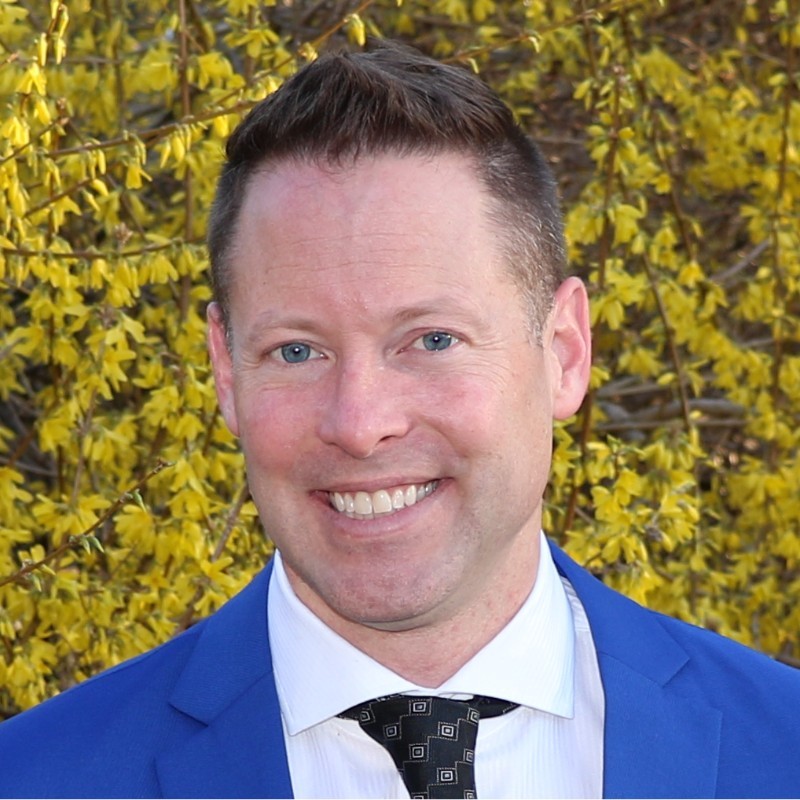
John Quinn, Ph.D.
John received a Ph.D. from Drexel University in Biomedical Engineering, with a focus on machine learning applied to single cell data. He has worked for FlowJo, now owned by Waters Biosciences, ever since. In his role of Director of Science and Product Development, he is responsible for product ownership, research and design for new software tools, evangelizing cytometry, and fostering scientific collaborations intended to further our field.
John has served as a faculty member of the Annual Course in Cytometry since 2022 as well as volunteering with ISAC LETF and the African Flow Cytometry ICS course.
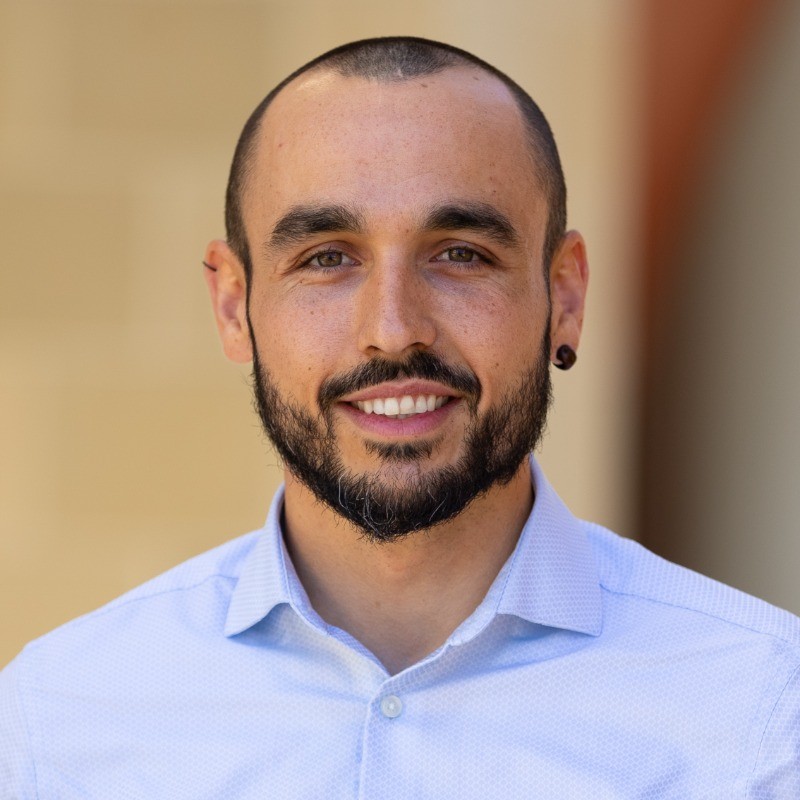
Miguel Reina Campos, Ph.D.
Miguel Reina Campos is an Assistant Professor at the La Jolla Institute for Immunology, where he leads the Laboratory of Tissue Immune Networks. He received his Ph.D. in Oncology and Cancer Biology from the Sanford Burnham Prebys Graduate School of Biomedical Sciences in 2019, followed by postdoctoral training in cancer immunology.
His research focuses on tissue-resident T cells — specialized immune cells that live deep within organs and provide rapid, localized protection against infection and tumors. His work leverages high-parameter flow cytometry and single-cell technologies to dissect the heterogeneity and function of these tissue-resident populations, with direct implications for cancer immunotherapy.
Alan Saluk
Alan Saluk is Senior Scientific Director of the Flow Cytometry Core at The Scripps Research Institute in La Jolla, California. With decades of experience in cell sorting and flow cytometry, he oversees a high-throughput core facility supporting basic and translational research across immunology, cancer biology, and infectious disease.
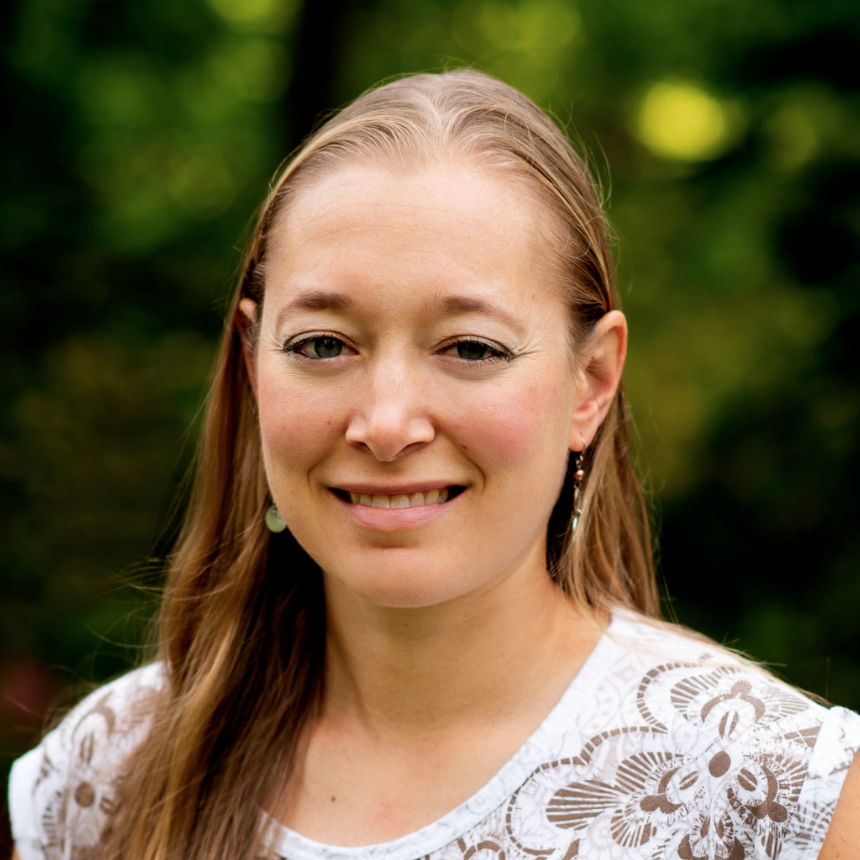
Katharine Schwedhelm, M.S.
Katharine Schwedhelm has over 15 years of flow cytometry experience, initially gaining experience in flow and instrumentation at Benaroya Research Institute before moving to Fred Hutchinson Cancer Center to join the HIV Vaccine Trials Network (HVTN) Endpoints laboratory. At the HVTN, as laboratory research manager, much of her focus has been directed towards high parameter panel development to support HIV, TB, malaria, and COVID-19 vaccine studies and cytometer characterization and standardization.
Katharine also supports the Cape Town HVTN laboratory, facilitating panel transfers and ensuring cross-lab assay and instrument concordance. She has been a returning instructor at the African Flow Cytometry Workshop, presented multiple times at the International Society for the Advancement of Cytometry’s (ISAC) annual meeting, CYTO, presented a webinar on the HVTN’s approach to instrument characterization and standardization for CYTO University, and contributed to a chapter for the newest edition of Flow Cytometry in Drug Discovery and Development.
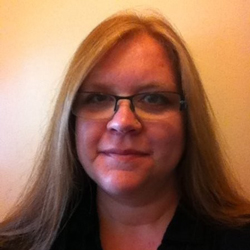
Dagna Sheerar, SCYM(ASCP)
Dagna Sheerar has been working in, managing, and directing flow cytometry shared resource laboratories since 2000, at the University of Wisconsin–Madison and previously at the University of Western Ontario. As Director of the Flow Cytometry Laboratory at the UW Carbone Cancer Center, she oversees one of the most active cancer research flow cores in the country.
Board certified as a Specialist in Cytometry by ASCP (SCYM(ASCP)), Dagna is actively involved in GLIIFCA, ISAC, and ABRF, and serves on the Board of Cytometry Educational Associates, Inc. She is a long-standing champion of data quality, instrument standardization, and reproducibility across shared cytometry platforms.
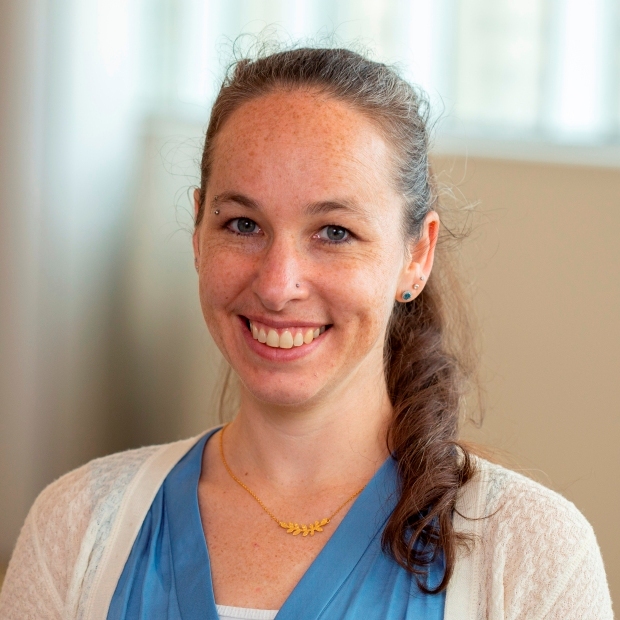
Rachael Sheridan received her Ph.D. in Biochemistry from the University of Wisconsin–Madison in 2013. Following graduation, she joined the UW Flow Cytometry Core before moving to Van Andel Institute in 2016, where she serves as Director of the Flow Cytometry Core. She is board certified as a Specialist in Cytometry by ASCP (SCYM(ASCP)).
An ISAC SRL Emerging Leader (2020–2025) and Chair of the ABRF Flow Cytometry Research Group, Rachael is deeply committed to cytometry education and the professional development of core facility staff. She has been an instructor at the Annual Course in Flow Cytometry since 2021.
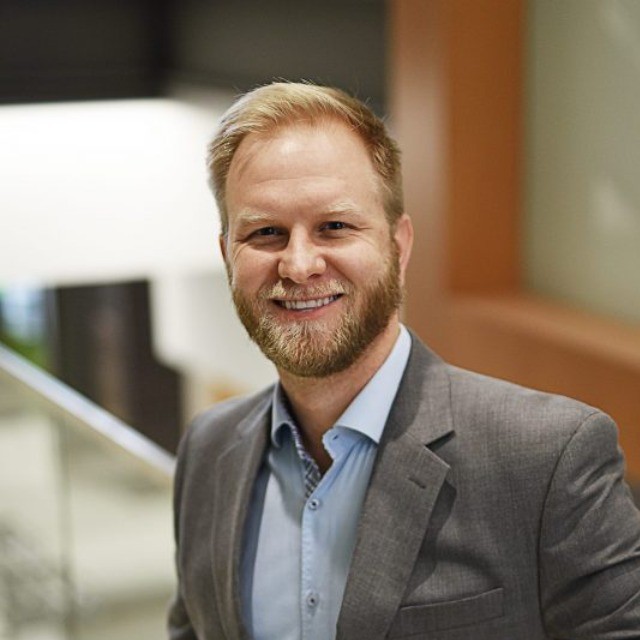
Daniel Vocelle, Ph.D.
Daniel Vocelle holds a dual Ph.D. in Chemical Engineering and Quantitative Biology, bringing more than a decade of multidisciplinary research spanning immunology, genetic engineering, extracellular vesicles, and drug delivery. He is Director of Flow Cytometry and Cell Sorting at St. Jude Children's Research Hospital and was named an ISAC Emerging Leader in 2024 in recognition of his contributions to the field.
Dr. Vocelle is a pioneer in non-traditional cytometry applications, including morphotyping via imaging flow cytometry, autofluorescence-based cell characterization, and AI/machine learning-assisted high-content screening. His work expanding what flow cytometry can measure — beyond markers, beyond fluorescence — represents the leading edge of cytometry innovation.
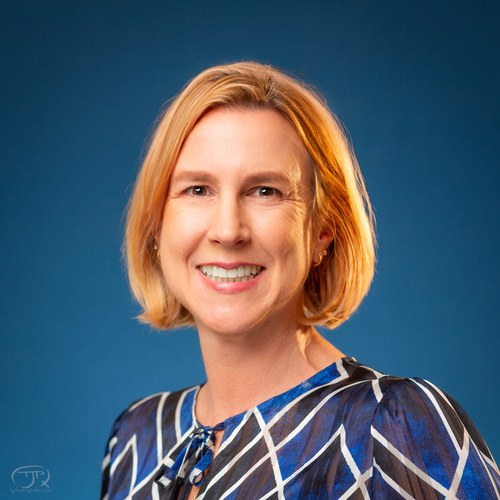
Stephanie Widmann
Stephanie Widmann is Director of Scientific Applications at BD Biosciences in San Diego, where she leads an applications team responsible for generating customer-facing scientific data to support product launches, strategic collaborations, and educational programs. She brings more than 25 years of experience in life science reagent development, including antibody and dye development, high-parameter and spectral flow cytometry, and single-cell multiomics applications such as CITE-seq.
Throughout her career, Stephanie has helped advance flow cytometry technologies through her contributions to the development of brilliant polymer dyes, which enabled the expansion of high-parameter flow cytometry, and through her work supporting the launch of BD Horizon Real Reagents. She continues to drive the adoption of emerging technologies by overseeing the generation of impactful scientific data and educational resources that help researchers maximize the power of flow cytometry and single-cell analysis. Stephanie earned her B.S. in Biology from the University of California, San Diego.
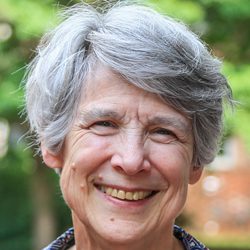
Kathy Muirhead, Ph.D.
Kathy earned a B.S. in Chemistry from the University of Wisconsin–Madison, and an M.S. and Ph.D. in Inorganic Chemistry from the University of Illinois at Urbana-Champaign. After postdoctoral fellowships in biochemistry and tumor biology, she joined the Pathology faculty at the University of Rochester School of Medicine & Dentistry, where her research focused on quality control and biomedical applications for the emerging discipline of flow cytometry. This focus continued at SmithKline Beckman R&D, where she managed their first flow cytometry core and worked with Paul Wallace to establish leukocyte immunophenotyping and DNA cell cycle analysis protocols at SmithKline Clinical Laboratories. At Zynaxis, Inc., a biotechnology start-up co-founded with colleagues from SmithKline, her focus shifted to cell-based immunotherapy and development of cell tracking reagents. Since 1996, Kathy has been Chief Operating Officer of SciGro, Inc., a biomedical consultancy that supports inventors, entrepreneurs, and investors developing early-stage pharmaceutical, biotechnology, medical diagnostic, and life science products.
Kathy has served as an ISAC Councilor, reviewer and Associate Editor for Cytometry, an Adjunct Professor at the Thomas Jefferson University School of Health Professions in Philadelphia, and on CLSI subcommittees developing guidelines for clinical immunophenotyping of normal and neoplastic leukocytes and for validation of flow cytometric assays. Together with Kylie Price and Paul Wallace, she co-authored the Proliferation Monitoring e-learning course offered by ISAC's online CYTO University. As co-founder and long-time faculty member of the internationally recognized Annual Courses on Applications of Cytometry, she loves interacting with, teaching, and learning from cytometrists from around the world. She currently serves as a member of the Board of Directors of Cytometry Educational Associates, Inc. (CEAI), the non-profit umbrella organization that connects and coordinates the different institutions hosting the Annual Courses. Her research interests include cell-based immunotherapies for cancer and autoimmune diseases, and novel methods for monitoring cell trafficking and function.
"The answer is 'It depends….' The question is 'On what?'"
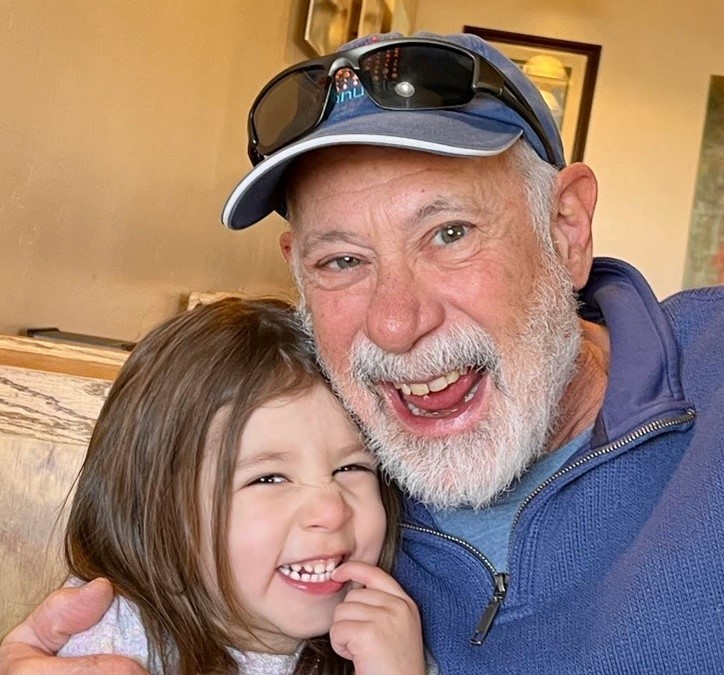
Jim Freyer, Ph.D.
Jim Freyer brings more than 45 years of experience in flow cytometry instrumentation development and application to the course. As a leader of the National Flow Cytometry Resource at Los Alamos National Laboratory — one of the preeminent cytometry instrumentation centers in the field — he shaped the design and application of advanced cytometers for decades, including development of an early fluorescence lifetime flow cytometer. He also pioneered the analysis and sorting of intact multicellular spheroids by flow cytometry in the 1980s, a capability now directly relevant to 3D tumor biology and organoid research.
Dr. Freyer subsequently served as Chief Science Officer of BennuBio, Inc., where he led development of the Velocyt™ — a multistream acoustic-focusing cytometer designed for high-throughput spheroid and organoid analysis. BennuBio was acquired by Precision Cell Systems in 2025. Dr. Freyer brings a physicist's rigor to instrument principles, threshold settings, and data acquisition concepts that demystify the black box for new cytometrists.
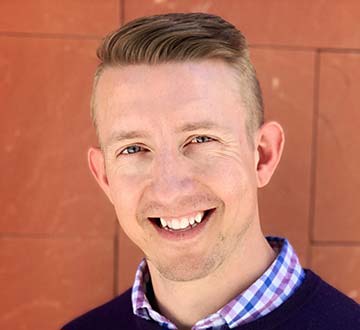
Travis Woods, M.S.
Travis Woods has spent his career at the intersection of instrumentation, engineering, and flow cytometry. He began as operator and instructor at the National Flow Cytometry Resource at Los Alamos National Laboratory and later managed the shared flow cytometry facility at the University of New Mexico, training hundreds of researchers in instrument operation and data analysis. His hands-on teaching style and deep instrumentation background make him a natural fit for the course's build-a-cytometer laboratory.
Woods holds a B.S. in Chemistry from Doane College and an M.S. in Biomedical Engineering from the University of New Mexico. He joined BennuBio as Chief Technology Officer, where he implemented manufacturing protocols, established quality management systems, and secured regulatory certifications for the Velocyt™ acoustic-focusing cytometer platform — now part of Precision Cell Systems following its 2025 acquisition.
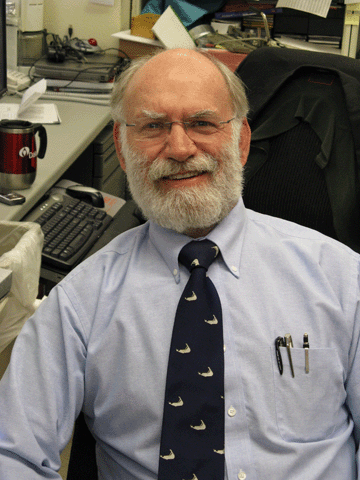
Mark Wilder
Mark Wilder is a research scientist at the National Flow Cytometry Resource at Los Alamos National Laboratory, where he co-developed the portable "Build Your Own Flow Cytometer" instructional platform with John Martin. This modular, transportable system was designed specifically to teach the engineering principles of cytometer design at workshops and courses worldwide — allowing students to assemble a working instrument from components and experience first-hand how lasers, optics, detectors, and electronics combine to generate flow cytometry data.
Wilder's contributions to hands-on cytometry education span decades of teaching at the Annual Course and international workshops. His expertise bridges fundamental optics and electronics with the practical realities of instrument alignment, troubleshooting, and performance verification that every cytometrist needs to understand regardless of what commercial platform they work on.