Nineteen lectures span foundational through advanced topics — from the physics of flow cytometry to emerging applications, spectral analysis, and high-dimensional data interpretation. See the full instructor roster for bios.
Each lecture is approved for 0.75 CE hours through the American Society for Clinical Pathology Board of Certification (ASCP BOC) — 14.25 CE hours total for the full course. Activity number pending; a certificate of completion was provided to all participants.
Flow Basics
Principles of flow cytometry: light scatter, fluorescence detection, fluidics, and the fundamentals of single-cell analysis.
Data Acquisition
Key concepts of flow data acquisition — thresholding, PMT voltage, coincidence, sample throughput, and getting it right the first time.
Fluorescence
Fluorescence chemistry fundamentals, fluorochrome properties, spectral overlap, and selecting the right reagents for your assay.
Immunology Basics
Immune cell biology, surface marker expression, and the foundations of leukocyte immunophenotyping by flow cytometry.
Immunophenotyping Staining Considerations
Practical staining considerations for immunophenotyping: sample handling and viability, antibody titration, Fc blocking and nonspecific binding, surface vs. intracellular staining, controls, and troubleshooting for reproducible results.
Validation of an Intracellular Cytokine Staining Assay for Assessing T Cell Responses in Vaccine Clinical Trials
A worked example of taking a flow cytometry assay into the clinical trial setting: intracellular cytokine staining for T cell response readouts — assay validation, controls and acceptance criteria, harmonization across sites, and GCP/GCLP compliance.
Keynote Lecture — A New Window into the Secret Life of T Cells
Much of our immune protection is provided by specialized cells living deep within our tissues. Enabled by new multiparametric single-cell technologies, the functional design underlying this protection is now coming into view. In this talk, I will highlight recent advances from my lab in understanding how T cells adapt to the diverse environments of our anatomy, and how these adaptations can be harnessed to strengthen immune responses against tumors and infections.
Panel Design & Validation
Rigorous multicolor panel design: fluorochrome selection, spillover spreading, controls, titration, and validation strategies for reproducible assays.
Spectral Flow Cytometry
Full spectrum detection, spectral unmixing algorithms, autofluorescence removal, and best practices for running spectral cytometry experiments.
High Dimensional Data Analysis
Computational approaches to high-dimensional cytometry data: dimensionality reduction (UMAP, tSNE), automated clustering, batch correction, and visualization.
QC & Troubleshooting
Daily and periodic quality control protocols, bead-based performance tracking, and systematic approaches to identifying and resolving instrument issues.
Cell Sorting
Principles and practice of high-speed cell sorting: instrument setup, drop delay, sort logic, purity vs. yield trade-offs, and experimental design.
Imaging Flow Cytometry
Combining the throughput of flow cytometry with the morphological power of imaging — platforms, applications, and analytical strategies.
Emerging Applications in Cytometry
Cutting-edge and non-traditional cytometry applications: morphotyping, autofluorescence-based characterization, AI-driven analysis, and next-generation platforms.
AI in Flow Data Analysis
Artificial intelligence and machine learning approaches for flow cytometry data analysis: automated gating, pattern recognition, deep learning-based cell classification, and practical implementation in research and clinical workflows.
Fundamental Non-immunophenotypic Applications
Kathy Muirhead, Ph.D. & Michael Gregory, M.S.
Core flow cytometry applications beyond immunophenotyping — cell cycle, proliferation, viability, apoptosis, and functional assays.
Biosafety in Flow Cytometry
Biosafety principles specific to flow cytometry and cell sorting: risk assessment, containment levels, aerosol management, and regulatory compliance.
Rigor & Reproducibility
Best practices for designing rigorous, reproducible cytometry experiments: power calculations, standardization, record keeping, and reporting standards.
Course History
A look back at the pioneering discoveries, instruments, and personalities that shaped cytometry from its origins to the present day.
Meet the Instructors
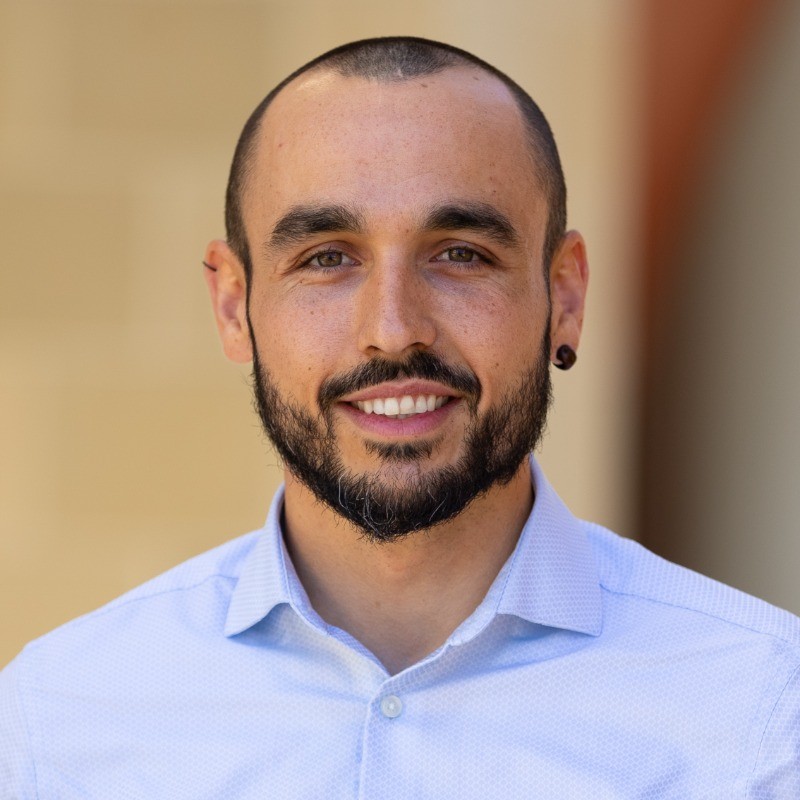
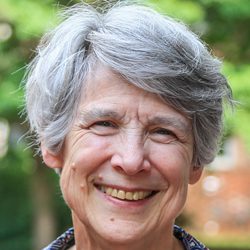
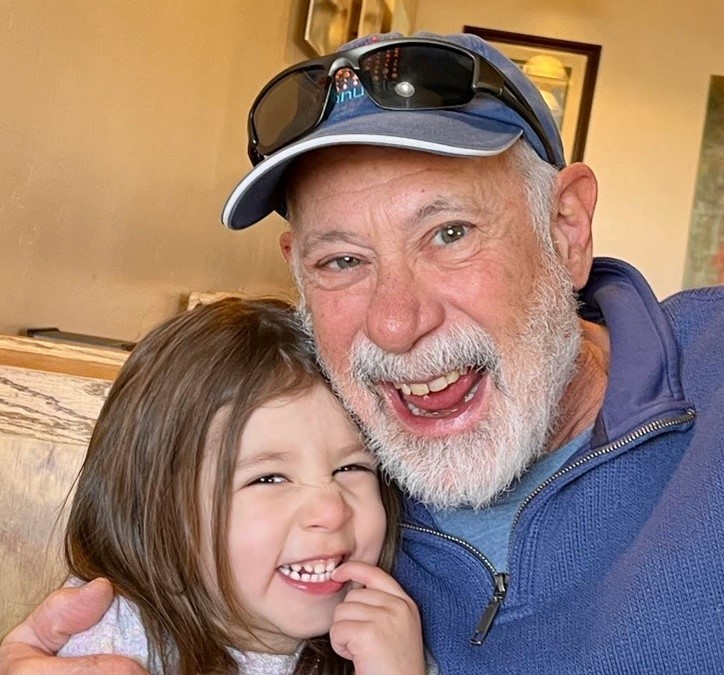
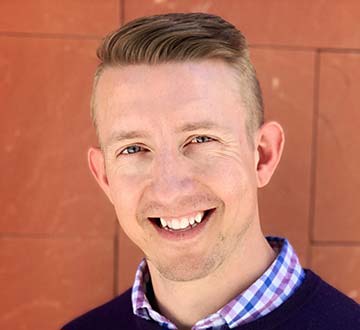
20+ cytometrists from academia, industry, and core facilities. Photos, bios, and LinkedIn profiles on the instructors page.
How Lab Assignment Works
The course offers 14 hands-on laboratory sessions spanning a broad range of cytometry platforms and techniques. Because small group sizes are essential for meaningful hands-on learning, each participant attends 5 labs. Before the course, you rank all 14 labs by preference — assignments are made to honor your highest-ranked choices, and in practice most participants receive labs from within their top 7. Lab assignments were provided to participants at registration.
Register
Participants completed course registration and payment via our online form
Rank Your Labs
Rank all 14 labs by preference — we use your rankings to make assignments
Receive Assignment
Participants received their 5 assigned labs at registration
Get Hands-On
Small-group lab sessions with direct access to instruments and instructors
Build a Flow Cytometer
Travis Woods · Mark Wilder · John Martin
Assemble a working single-parameter flow cytometer from components — laser, optics, detector, and electronics — following step-by-step instructions with instructor support. By the end you'll have a functioning instrument running fluorescent microspheres, with time to fine-tune it toward a low (1–1.5%) CV. Performance diagnostics, the engineering principles behind cytometer design, and laser safety are emphasized throughout.
Data Acquisition
Mark Naivar · Jim Freyer, Ph.D.
Using flow cytometer simulators, explore the critical factors that affect data quality: thresholding, PMT voltage, coincidence, aggregates, and sample throughput. Covers instrument setup, calibration, data visualization, and gating basics — all without using real cells or reagents.
Spectral Flow Cytometry
Anna Belkina, M.D., Ph.D. · Laura Prickett
Learn tips and tricks for success in complex high-parameter spectral flow experiments. Troubleshoot unmixing errors, controls, acquisition settings, reagent titration, and autofluorescence — the real-world challenges that make or break a spectral experiment.
Cell Sorting
Rui Gardner, Ph.D. · Michael Gregory · Alan Saluk
Hands-on sorting lab covering instrument setup, nozzle size selection, stream stability, drop delay, and sort optimization. Students are grouped by experience level — beginner through advanced — and content is tailored accordingly.
Panel Design Workshop
Lisa Nichols, PhD · Dagna Sheerar
This lab presents and discusses general rules for panel design for flow cytometry assays, including choosing an instrument, pairing fluorochromes with cellular targets, proper controls, spillover spreading, and fluorochrome similarities. Students work in groups to manually design a 10–15 color panel using the rules and information presented. Manually designed panels are then presented and discussed, followed by a demonstration of a couple of automated panel design software platforms currently available. Students are given access to EasyPanel and FluoroFinder panel design software for the duration of the course.
High Dimensional Data Analysis
John Quinn, Ph.D. · Jack Panopoulos, Ph.D.
Navigate a complete high-dimensional analysis workflow in FlowJo and OMIQ. Covers dimensionality reduction (tSNE, UMAP), automated cell classification, batch correction, trajectory inference, and differential statistics. Emphasis on understanding algorithm mechanics and when to use each approach.
Multicolor Immunophenotyping
Alexander Nicols, Ph.D. · Lorena Hidalgo, Ph.D.
Hands-on multicolor immunophenotyping: antibody/antigen kinetics, titration, clone selection, fluorochrome pairing, and surface vs. intracellular staining.
QC & Troubleshooting
A methodical, hands-on approach to keeping instruments running right. Students develop a thorough understanding of the QC protocol and how to properly interpret QC results, build a systematic method for troubleshooting mechanical issues, and learn to identify the most common ways flow cytometers fail — and how to resolve them. Grounded in daily startup routines and bead-based performance tracking, with best practices for both core facilities and individual labs.
Imaging Flow Cytometry
Combines flow cytometry throughput with imaging-based morphological analysis — and the best way to learn it is to do it. Independent hands-on tutorials, ranging from complete novice to advanced challenges, cover gating on intensity, shape, size, and texture, masking strategies, and both direct and computer-assisted approaches to discriminating cells. The lab runs three imaging platforms side by side — ImageStream (ISX MarkII), FACSDiscover A8, and CytPix — to compare applications and analytical approaches across systems, with experts on hand for your own questions.
Basic Data Analysis
An introduction to the fundamentals of flow cytometry data analysis — data scaling and plots, compensation and data QC, gating, and figure preparation. Designed for those newer to analysis workflows, the session uses a practice dataset in the free, browser-based CytoScribe software (bring a laptop). Participants may also bring their own data and preferred analysis package during open-questions time.
Cell Preparation — Tissues & Tumors
Jennifer Hope, Ph.D. · Hannah Hetrick
Hands-on training in processing mouse tumor and spleen tissues into single-cell suspensions for flow cytometry staining and analysis. Students compare manual and enzymatic dissociation methods and test how technical variables — temperature, enzyme cocktails — change the final data, then stain and run their own samples to see the impact on surface marker expression firsthand. The best practices transfer to a wide range of other tissues. Ideal for those new to sample prep, or with some experience who want to understand how processing choices shape their results.
Core Management Workshop
A practical workshop for core facility directors and staff covering the operational, financial, and scientific challenges of running a shared cytometry resource. Topics include service models, pricing, strategic planning and partnerships, and change management, with specifics geared toward flow cytometry cores. Attendees walk away with concrete strategies to manage their core and more confidence in their operational decision-making.
Nanovials Workshop
Hands-on introduction to Nanovial technology for cell–cell interaction studies using flow cytometry. Learn how hydrogel-based microcontainers can co-localize defined cell pairs, capture functional readouts, and enable sorting based on cell behavior — opening new possibilities for immune–tumor studies, antibody discovery, and functional single-cell assays.
Single Cell RNA Seq Workshop
Explore the Illumina Single Cell RNA Seq workflow through instructor-led demonstrations and hands-on activities. Covers sample preparation, cell capture and barcoding using Illumina's microfluidics-free platform, and an introduction to downstream analysis — quality control, clustering, and cell-type identification. Ideal for those new to single-cell sequencing.
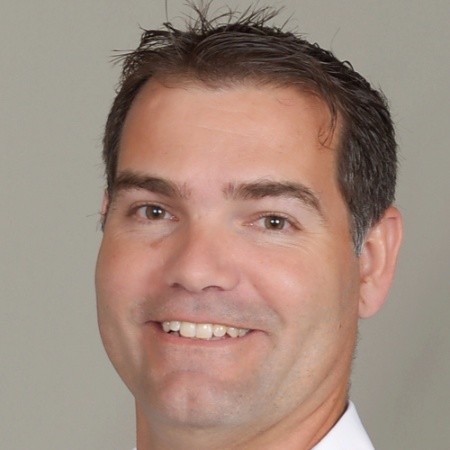
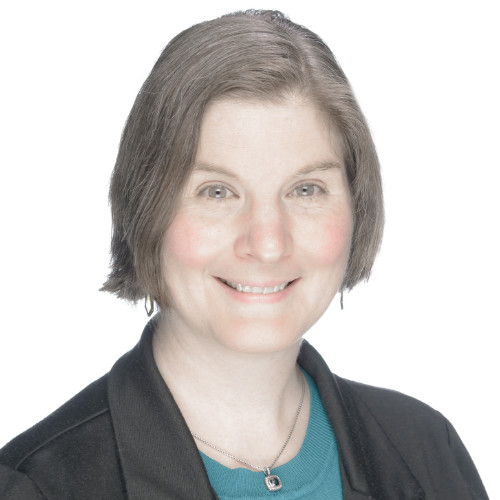
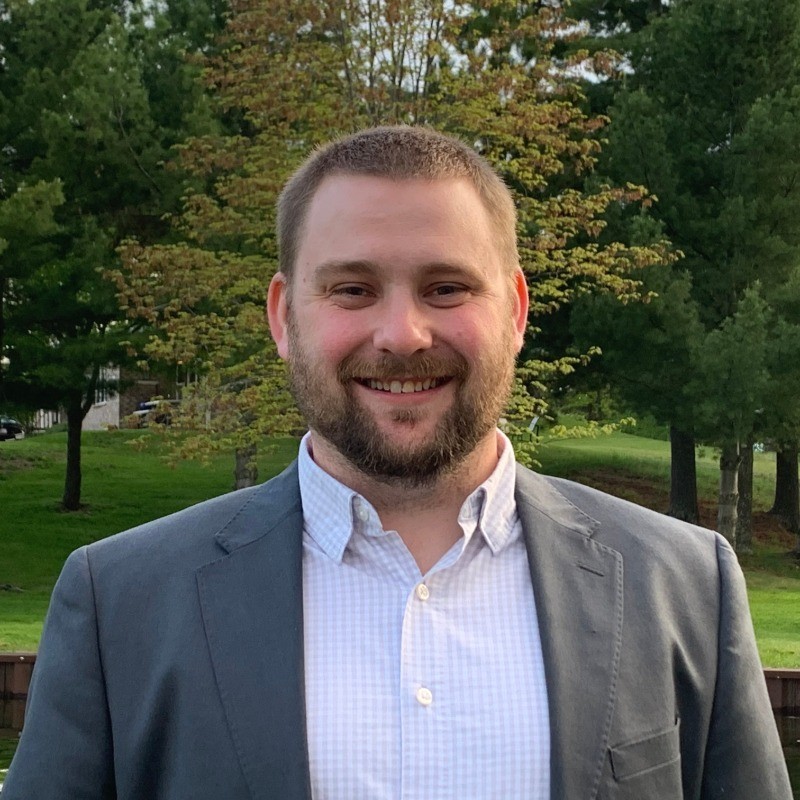
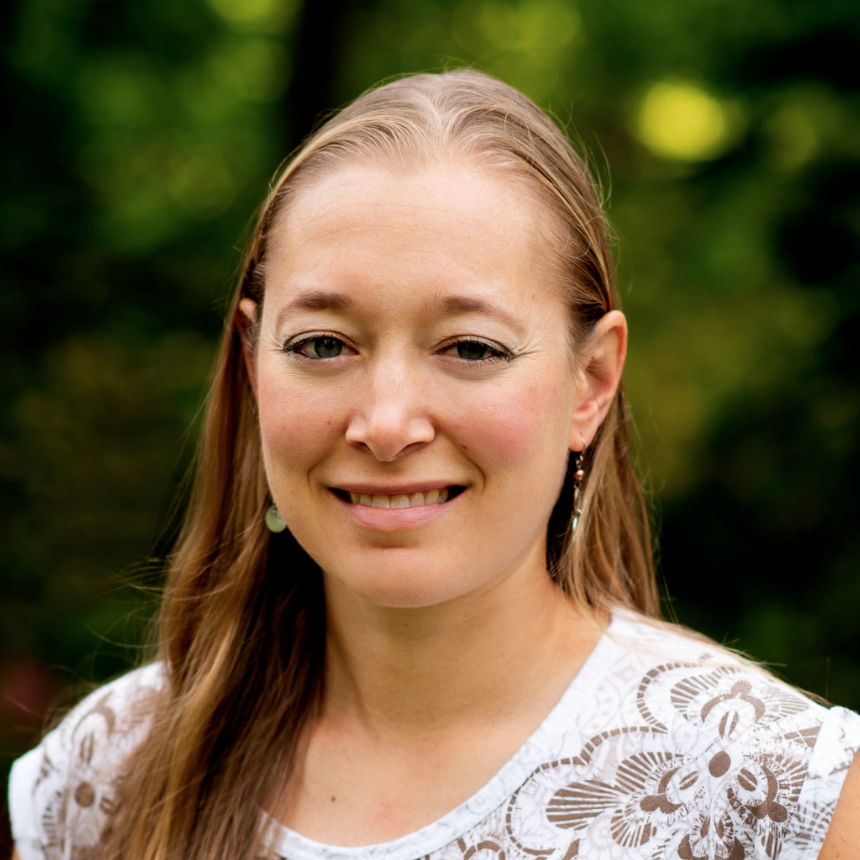
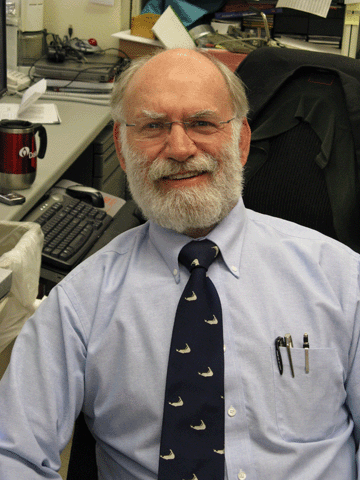
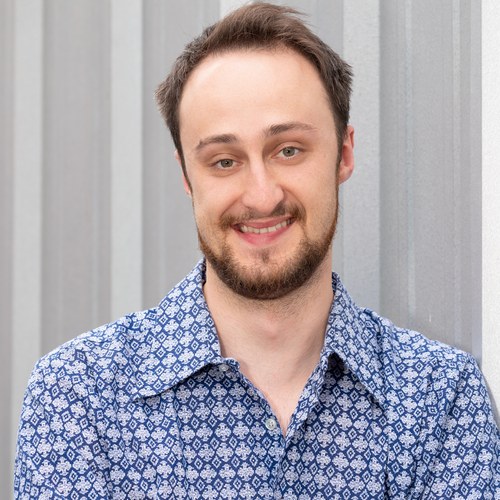
20+ cytometrists from academia, industry, and core facilities. A preview of the faculty below — see full bios and LinkedIn profiles on the instructors page.
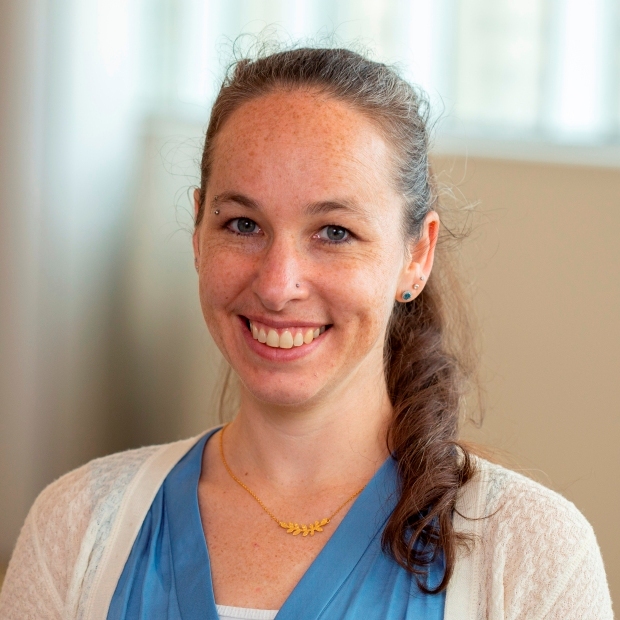
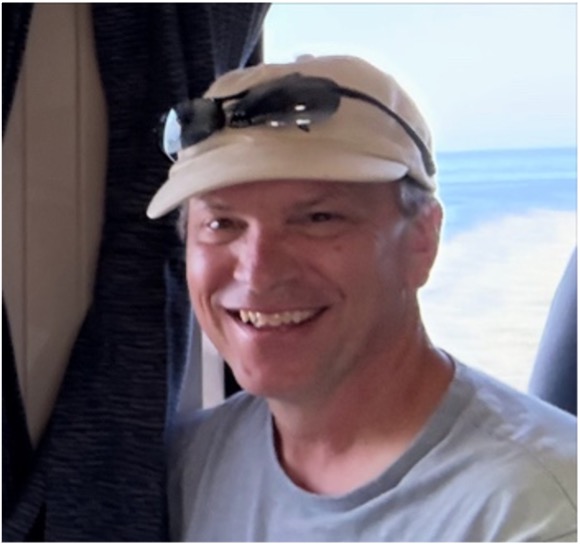
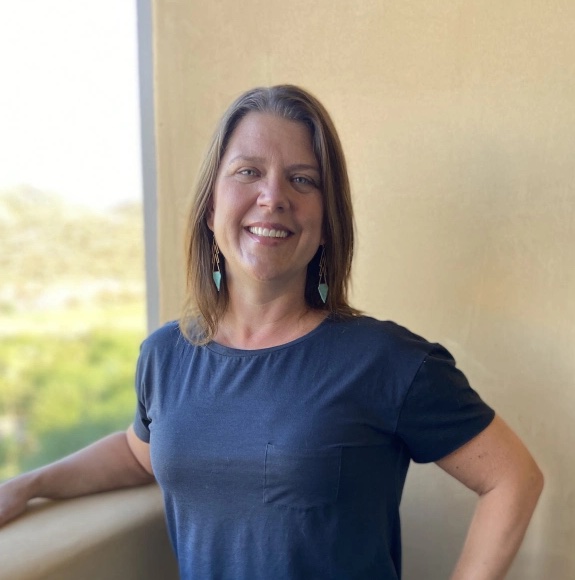
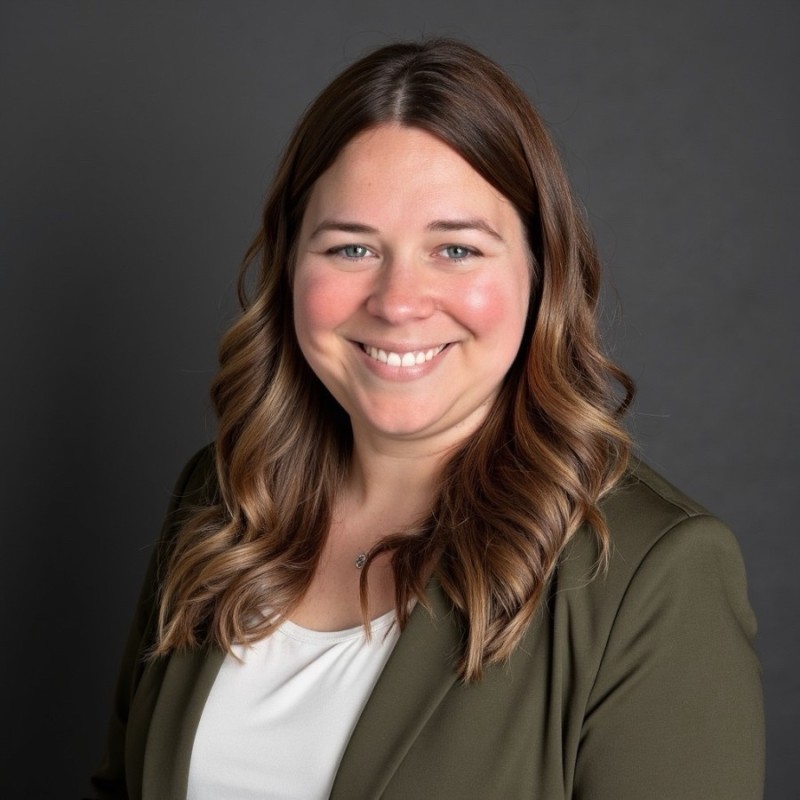
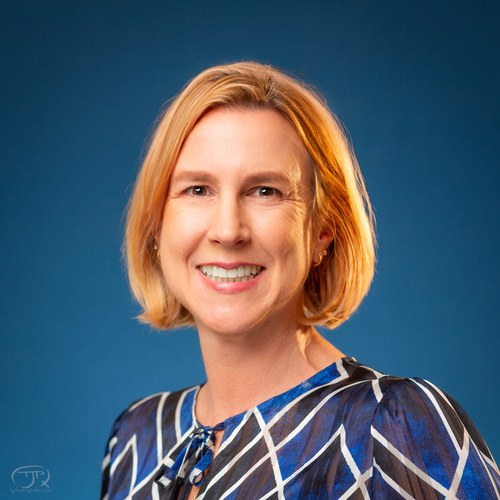
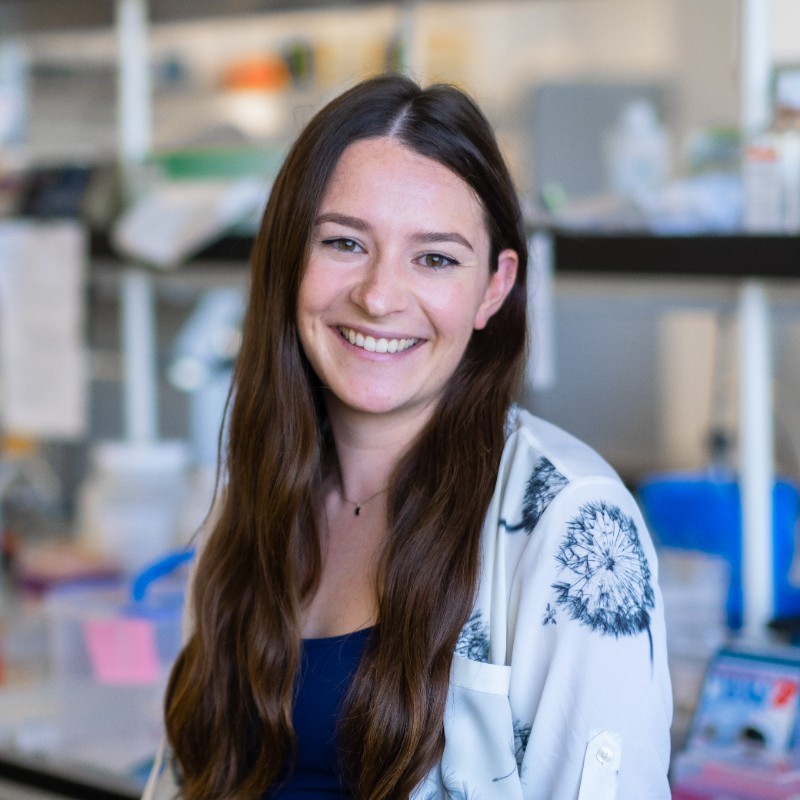
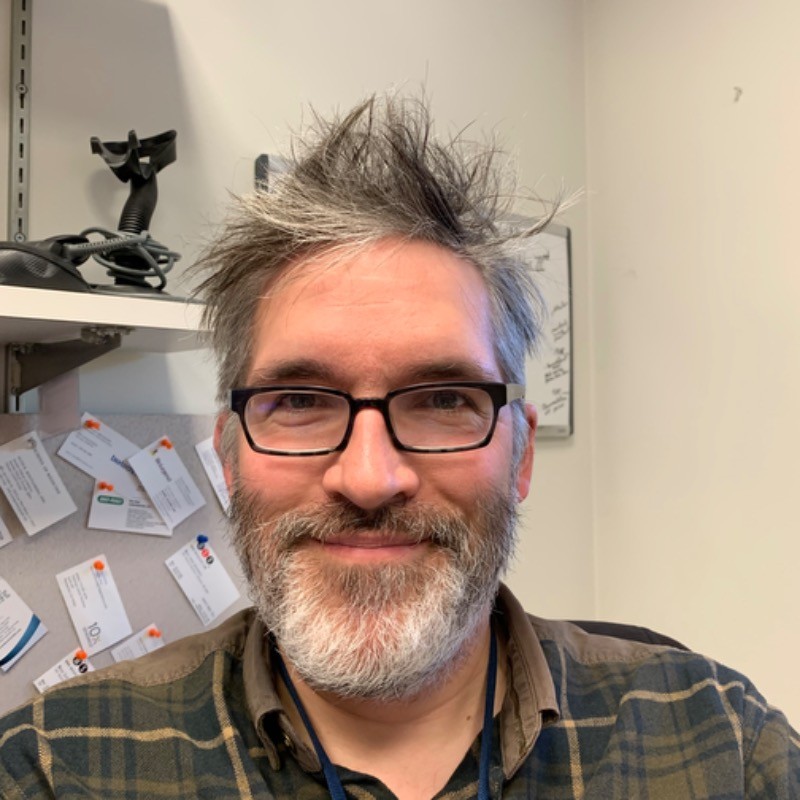
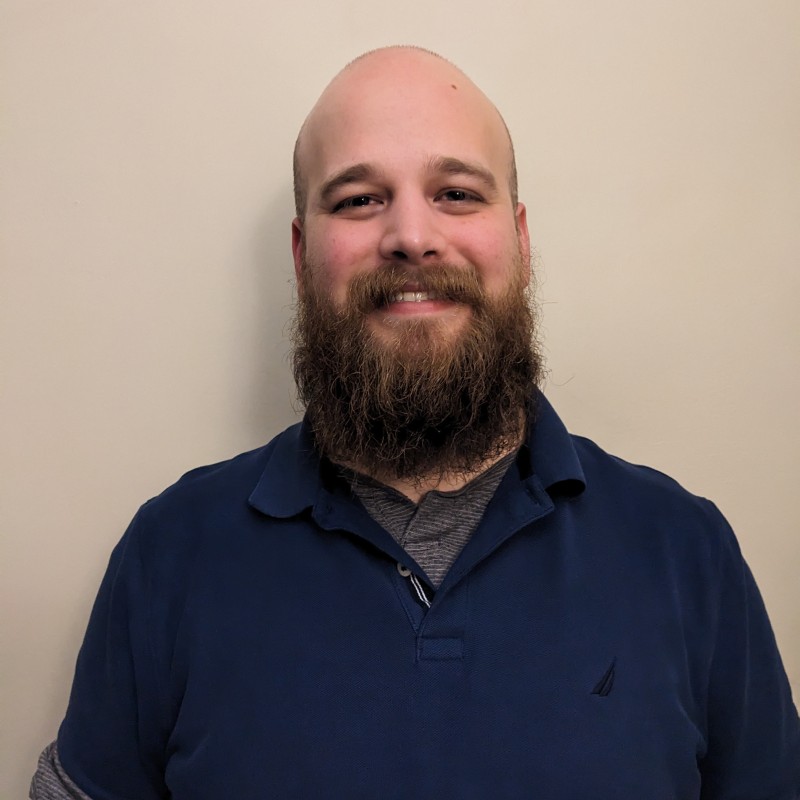
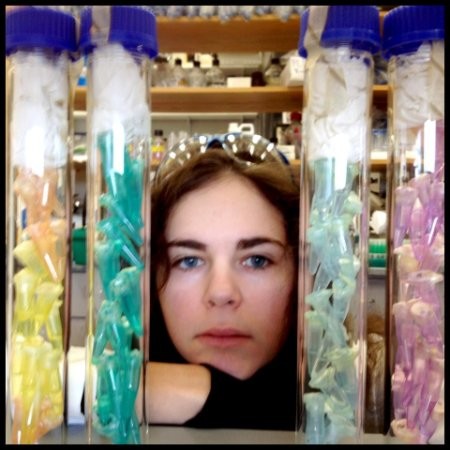
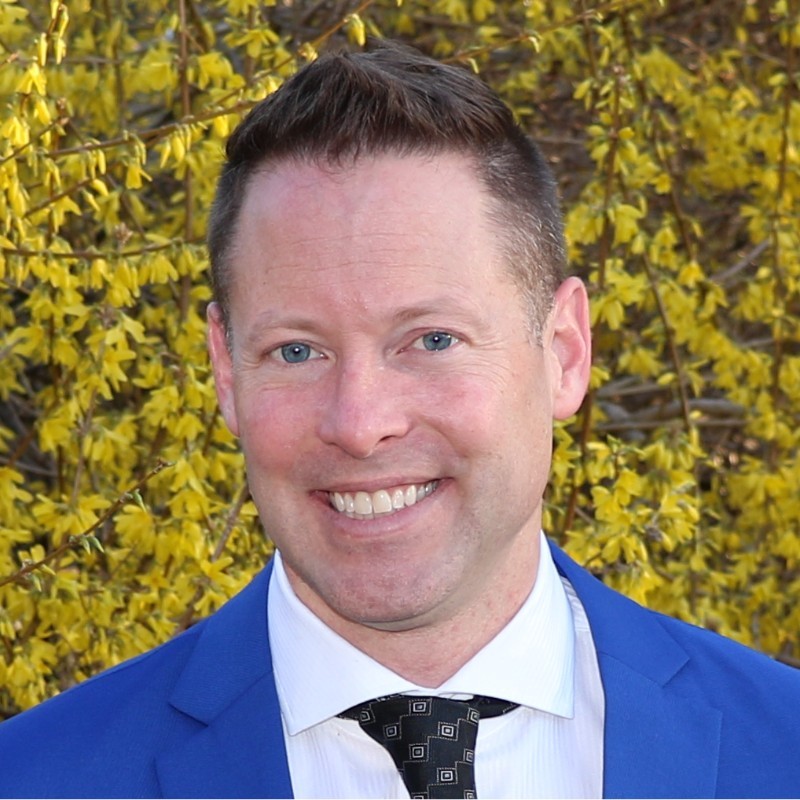
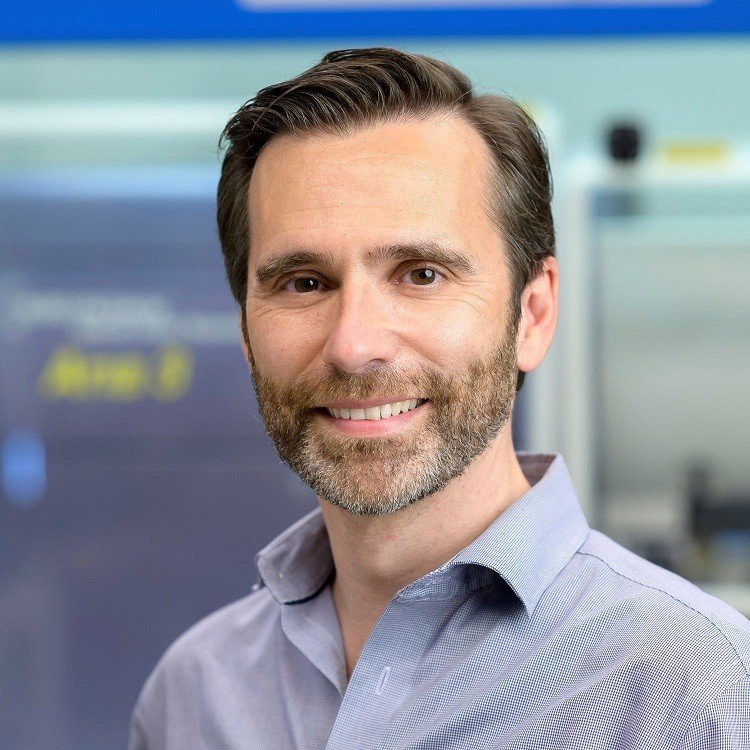
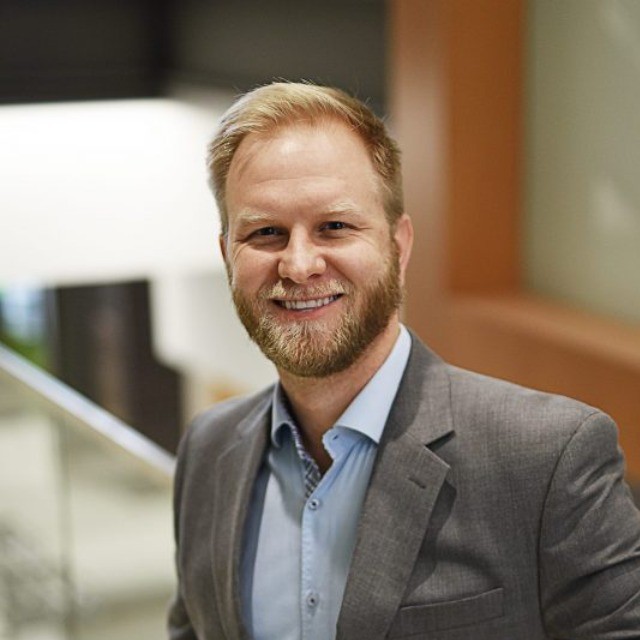
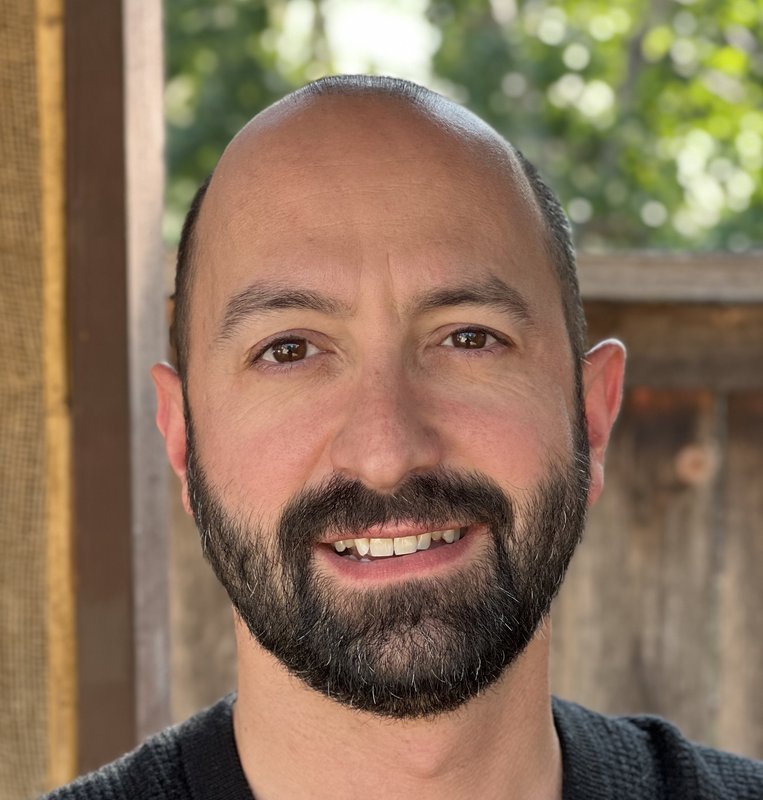
Katharine Schwedhelm, M.S.
Alan Saluk
📍 Lectures: SBP Building 12, 10905 Road to the Cure, San Diego, CA 92121
📍 Labs: SBP Building 6, 10901 North Torrey Pines Road, La Jolla, CA 92037
| 8:00–10:00 AM | Registration & Breakfast (simultaneous, Bldg 12 lobby) | Admin |
| 10:00–10:15 AM | Welcome & Introductions | Admin |
| 10:15–10:45 AM | Course History — Kathy Muirhead, Ph.D. | Lecture |
| 10:45–11:30 AM | Flow Cytometry Basics — Rachael Sheridan, Ph.D. | Lecture |
| 11:30 AM–12:15 PM | Data Acquisition — Mark Naivar | Lecture |
| 12:15–12:30 PM | Platinum Sponsor Talk — Illumina | Sponsor |
| 12:30–1:30 PM | Lunch | Break |
| 1:30–2:15 PM | Fluorescence — Kelly Lundsten | Lecture |
| 2:15–3:00 PM | Immunology Basics — Jennifer Hope, Ph.D. | Lecture |
| 3:00–3:15 PM | Platinum Sponsor Talk — Cytek | Sponsor |
| 3:15–3:45 PM | Coffee / Snack Break | Break |
| 3:45–4:30 PM | Flow Cytometry Staining Considerations: From Sample to Data — Stephanie Widmann | Lecture |
| 4:30–5:15 PM | Validation of an Intracellular Cytokine Staining Assay for Assessing T Cell Responses in Vaccine Clinical Trials — Katharine Schwedhelm | Lecture |
| 5:15–6:00 PM | Break | Break |
| 6:00–7:00 PM | Keynote Lecture: “A New Window into the Secret Life of T Cells” — Miguel Reina Campos, Ph.D. | |
| 7:00–9:00 PM | Dinner & Vendor Show |
| 9:00–9:45 AM | Spectral Flow Cytometry — Anna Belkina, M.D., Ph.D. | Lecture |
| 9:45–10:30 AM | Panel Design & Validation — Lisa Nichols, PhD | Lecture |
| 10:30–10:45 AM | Platinum Sponsor Talk — Agilent | Sponsor |
| 10:45–11:15 AM | Coffee / Snack Break | Break |
| 11:15 AM–12:00 PM | High Dimensional Data Analysis — John Quinn, Ph.D. | Lecture |
| 12:00–12:45 PM | QC & Troubleshooting — David Leclerc | Lecture |
| 12:45–1:00 PM | Platinum Sponsor Talk — Beckman Coulter | Sponsor |
| 1:00–2:15 PM | Lunch & Group Photo 📸 | Break |
| 2:15–5:45 PM | Lab Session 1 | Lab |
| 5:45 PM onwards | Free Evening |
| 9:00–9:45 AM | Cell Sorting — Rui Gardner, Ph.D. | Lecture |
| 9:45–10:30 AM | Imaging Flow Cytometry — Daniel Vocelle, Ph.D. | Lecture |
| 10:30–11:00 AM | Coffee / Snack Break | Break |
| 11:00–11:45 AM | Fundamental Non-immunophenotypic Applications — Kathy Muirhead, Ph.D. & Michael Gregory, M.S. | Lecture |
| 11:45 AM–12:30 PM | AI in Flow Data Analysis — Jack Panopoulos, Ph.D. | Lecture |
| 12:30–12:45 PM | Platinum Sponsor Talk — Waters Biosciences | Sponsor |
| 12:45–1:45 PM | Lunch | Break |
| 1:45–5:15 PM | Lab Session 2 | Lab |
| 6:00–9:00 PM | Sunset Beach Dinner and Bonfire — La Jolla Shores |
| 9:00–9:45 AM | Biosafety in Flow Cytometry — Michael Gregory | Lecture |
| 9:45–10:30 AM | Rigor & Reproducibility — Dagna Sheerar | Lecture |
| 10:30–11:15 AM | Emerging Applications in Cytometry — Daniel Vocelle, Ph.D. | Lecture |
| 11:15–11:30 AM | Gold Sponsor Talk — Sony | Sponsor |
| 11:30 AM–12:30 PM | Lunch | Break |
| 12:30–4:00 PM | Lab Session 3 | Lab |
| 4:00 PM onwards | Free Afternoon & Evening — Vendor Instrument Demos available (sign up directly with vendors) |
| 9:30 AM–1:00 PM | Lab Session 4 | Lab |
| 1:00–2:00 PM | Lunch | Break |
| 2:00–5:30 PM | Lab Session 5 | Lab |
| 6:30–9:30 PM | Closing Reception — included with registration |